
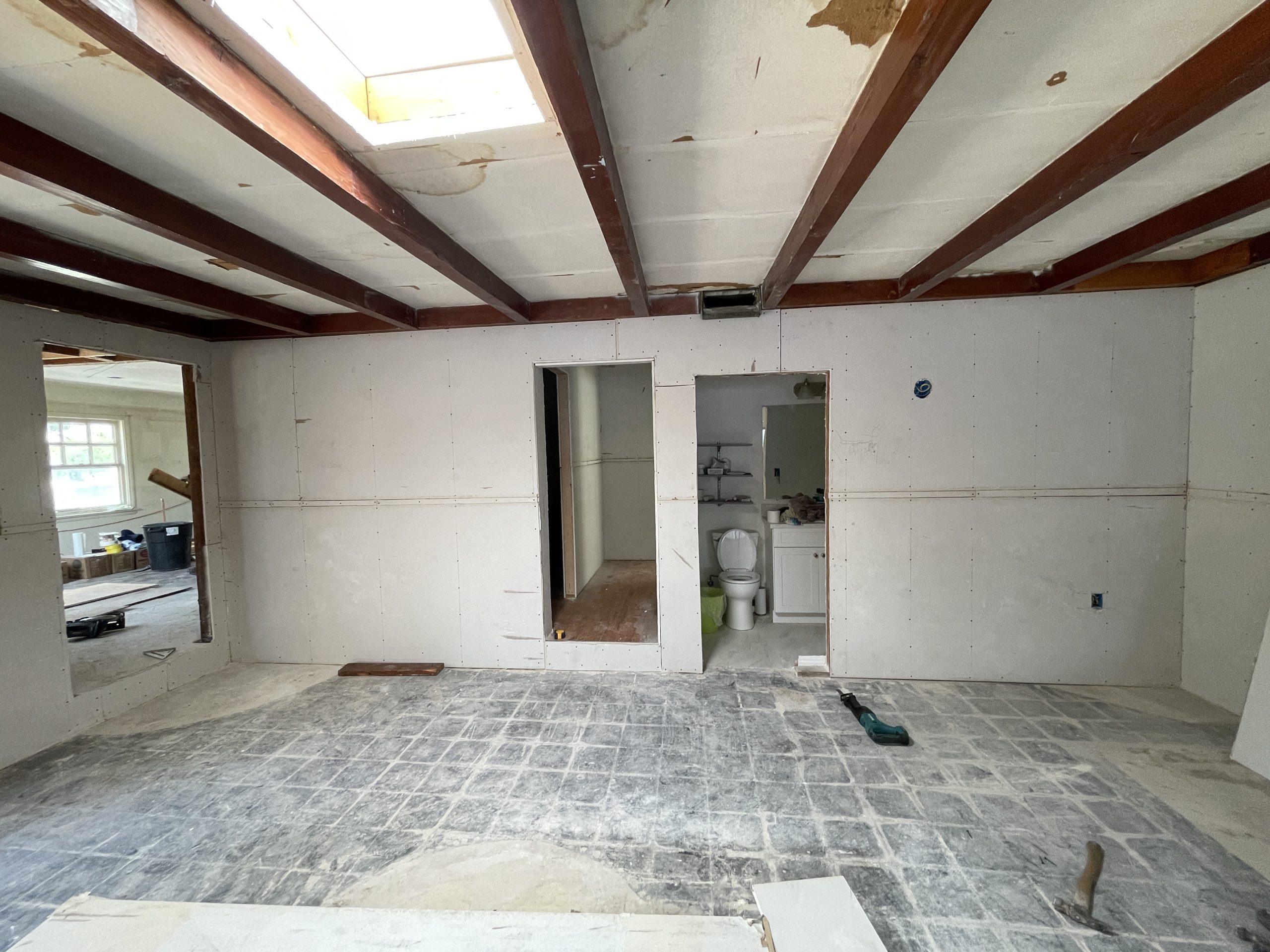
Homes are meant to support daily life, comfort, and changing needs, but layouts can become outdated over time. As lifestyles evolve, many homeowners notice their spaces no longer function efficiently or comfortably. Recognizing early warning signs helps determine when a complete remodel is the smartest long-term solution. Addressing these issues together often creates better flow, comfort, and lasting value throughout the home.
1. Your Home’s Layout No Longer Fits How You Live
A home’s layout plays a major role in how comfortable and functional it feels each day. When spaces feel restrictive, dark, or inefficient, it often signals deeper design limitations. Older layouts were built for different lifestyles and may no longer support modern living patterns.
Closed Floor Plans Limiting Movement and Natural Light
Closed floor plans can make homes feel smaller, darker, and disconnected. Walls separating kitchens, dining areas, and living spaces restrict movement and block natural light. This layout often makes entertaining difficult and reduces everyday convenience. Modern lifestyles favor open, connected spaces that improve visibility, airflow, and interaction.
Lack of Functional Storage and Usable Space
Homes with insufficient storage quickly feel cluttered and disorganized. Older designs often lack pantries, linen closets, or practical cabinetry. Without enough built-in storage, homeowners struggle to maintain clean, functional spaces. A complete remodel helps integrate smart storage solutions that improve usability without sacrificing design.
Rooms That No Longer Support Modern Lifestyles or Remote Work
Many homes were not designed for remote work, flexible schedules, or multi-purpose living. Spare bedrooms may feel cramped, poorly lit, or uncomfortable for daily use. As work-from-home needs increase, poorly designed rooms can reduce productivity and comfort. Remodeling allows spaces to adapt to today’s lifestyle demands more effectively.
2. Constant Repairs Are Becoming a Financial Burden
When a home requires ongoing repairs, costs can quietly accumulate without delivering lasting improvement. Many homeowners reach a point where constant fixes disrupt daily life and strain budgets. This pattern often signals deeper system level problems that repairs alone cannot resolve.
Frequent Plumbing or Electrical Issues Reappearing
Recurring plumbing leaks or electrical failures usually indicate aging systems reaching the end of their lifespan. Pipes may corrode internally, while wiring struggles to meet modern power demands. Even after professional repairs, problems often return within months. These repeated issues increase frustration and raise safety concerns over time.
Temporary Fixes That Never Fully Solve the Problem
Short term repairs often focus on surface symptoms rather than underlying causes. Patching drywall, replacing a single pipe section, or resetting electrical components may appear effective initially. However, these fixes rarely prevent future breakdowns. Homeowners often find themselves paying repeatedly for the same problems without meaningful improvement.
When Repair Costs Start Exceeding Renovation Value
There is a point where continued repairs become financially inefficient. When repair expenses rival renovation costs, long term value diminishes quickly. Remodeling allows multiple issues to be corrected together instead of individually. This approach often delivers better comfort, safety, and financial return.
3. Aging Electrical, Plumbing, and HVAC Systems
Older homes frequently rely on original systems never designed for modern lifestyles. Electrical, plumbing, and HVAC components degrade over time, reducing efficiency and reliability. When several systems begin failing together, overall comfort and safety decline.
Outdated Wiring or Panels Creating Safety Concerns
Old wiring and electrical panels struggle to handle today’s appliances and technology. Overloaded circuits increase fire risk and cause frequent breaker trips. Many older systems also fail to meet current building standards. Updating electrical infrastructure significantly improves safety and reliability.
Old Plumbing Materials Causing Leaks or Water Pressure Issues
Aging plumbing materials can corrode, crack, or collapse internally. These failures often lead to hidden leaks behind walls or under floors. Water pressure may fluctuate unexpectedly, affecting daily routines. Replacing plumbing during a remodel prevents damage and improves long term performance.
Inefficient HVAC Systems Struggling to Maintain Comfort
Older HVAC systems often operate unevenly throughout the home. Some rooms remain uncomfortable regardless of thermostat settings. Rising energy bills usually accompany declining system efficiency. Remodeling allows homeowners to install modern HVAC systems designed for consistent comfort and lower operating costs.
Difficulty Supporting Modern Appliances and Smart Technology
Modern appliances and smart systems require stable electrical capacity and updated infrastructure. Older homes often lack sufficient wiring, outlets, or system compatibility. This limitation restricts functionality and future upgrades. Remodeling prepares the home for current and emerging technology needs.
4. Visible Structural Problems Inside the Home
Structural warning signs should never be ignored, as they often indicate deeper stability issues. These problems can worsen gradually and affect multiple areas of the home. Addressing them early prevents safety risks and costly damage.
Cracks in Walls, Ceilings, or Foundations
Cracks may appear due to foundation movement, moisture intrusion, or settling over time. Some cracks remain cosmetic, while others signal serious structural stress. Without proper evaluation, these issues can spread. Remodeling allows professionals to reinforce and stabilize affected areas properly.
Uneven Floors and Shifting Structural Elements
Uneven flooring often results from compromised support systems or foundation shifts. Doors and windows may stick or fall out of alignment. These changes reduce comfort and usability throughout the home. Structural repairs during a remodel restore balance and long term stability.
5. Kitchens and Bathrooms Feel Dated and Dysfunctional
Kitchens and bathrooms strongly influence daily comfort, efficiency, and overall home satisfaction. When these spaces feel outdated, the entire home can seem less functional. Simple cosmetic updates rarely solve deeper layout or usability problems.
Poor Layouts That Slow Down Daily Routines
Older kitchens and bathrooms were not designed for modern cooking habits or busy schedules. Limited counter space, awkward appliance placement, and narrow walkways create daily frustration. Bathrooms with poor layouts often feel cramped and inefficient. Remodeling improves flow, making everyday tasks easier and faster.
Worn Materials, Outdated Fixtures, and Limited Storage
Years of daily use naturally wear down finishes, cabinetry, and fixtures. Common issues homeowners notice include:
- Cabinets that no longer close properly
- Countertops showing stains, cracks, or damage
- Limited storage causing constant clutter
Replacing these elements during a remodel restores durability and adds smarter storage solutions.
Lack of Modern Features Buyers Now Expect
Modern buyers expect updated kitchens and bathrooms with efficient lighting, quality materials, and contemporary finishes. Homes lacking these features often feel outdated in comparison. Remodeling helps align your home with current expectations, increasing both enjoyment and resale appeal.
6. Rising Energy Bills and Poor Home Efficiency
Rising energy bills often signal inefficiencies hidden behind walls, ceilings, and windows. Older homes were built before modern efficiency standards became common. Over time, these inefficiencies reduce comfort and increase monthly expenses.
Inadequate Insulation and Air Leaks Throughout the House
Poor insulation allows conditioned air to escape, forcing systems to work harder. Homeowners often experience:
- Drafts near walls, ceilings, or floors
- Inconsistent temperatures between rooms
- Higher heating and cooling costs year-round
Upgrading insulation during a remodel significantly improves energy performance and comfort.
Old Windows and Doors Causing Temperature Loss
Aging windows and doors allow heat transfer throughout the year. Single-pane glass and worn seals reduce indoor comfort. Rooms near windows may feel colder in winter and warmer in summer. Replacing these components improves efficiency and reduces energy strain.
Homes Failing to Meet Modern Energy Standards
Many older homes do not meet today’s energy efficiency expectations. Electrical systems, insulation, and appliances may operate inefficiently. Remodeling updates these systems to align with modern performance standards and long-term sustainability goals.

7. Your Home Cannot Support a Growing or Changing Family
As families grow or lifestyles evolve, space requirements change significantly. Homes that once felt adequate may begin to feel restrictive. These challenges often cannot be solved with small updates alone. A complete remodel adapts the home to new needs.
Not Enough Bedrooms, Bathrooms, or Shared Spaces
Limited bedrooms or bathrooms create daily stress for households. Common signs include:
- Morning congestion in shared bathrooms
- Lack of privacy for family members
- Overcrowded living areas during busy routines
Remodeling rebalances space distribution for improved comfort and usability.
No Dedicated Areas for Work, Guests, or Hobbies
Modern lifestyles require flexible spaces for remote work, guests, or personal interests. Homes without these areas feel limiting. Remodeling allows rooms to serve multiple purposes without sacrificing comfort or design.
Layout Limitations That Simple Room Additions Cannot Fix
Adding a room does not always correct poor flow or disconnected layouts. Without a cohesive plan, additions can feel awkward. A complete remodel addresses layout challenges holistically, creating better transitions and functionality throughout the home.
8. Uneven Temperatures and Poor Indoor Comfort
When different areas of the home feel uncomfortable, it often points to deeper system or design issues. Older homes frequently struggle with temperature balance due to outdated layouts or mechanical systems. These comfort problems affect daily living and energy efficiency.
Rooms That Stay Too Hot or Too Cold Year Round
Uneven temperatures often result from poor insulation, inefficient HVAC systems, or outdated layouts. Certain rooms may receive too much sun exposure, while others remain poorly heated or cooled. This imbalance makes daily living uncomfortable and increases energy use. Remodeling improves airflow, insulation, and layout consistency.
Poor Ventilation and Airflow Issues
Inadequate ventilation prevents fresh air from circulating properly throughout the home. Homeowners often notice:
- Stale or stuffy indoor air
- Difficulty regulating humidity levels
- Reduced comfort during warmer months
Improving ventilation during a remodel enhances air quality and overall comfort.
Moisture Buildup Leading to Discomfort or Damage
Poor airflow and insulation can trap moisture inside walls and ceilings. This buildup creates discomfort and may damage finishes over time. Moisture issues also increase the risk of mold growth. Remodeling addresses these problems by improving ventilation and moisture control systems.
9. Exterior Wear Signals Deeper Problems
A home’s exterior protects it from weather, moisture, and structural damage. When exterior elements deteriorate, they often indicate issues beyond surface appearance. Ignoring these signs can lead to costly repairs later.
Roofing, Siding, or Paint Deterioration
Fading paint, cracked siding, or aging roofing materials often signal prolonged exposure to harsh conditions. Over time, these materials lose their protective qualities. Damage may extend beneath the surface, affecting structural components. Remodeling restores protection while updating appearance.
Water Intrusion or Drainage Issues Around the Home
Water intrusion is a serious concern that can impact foundations and interior spaces. Warning signs often include:
- Pooling water near the foundation
- Damp basements or crawl spaces
- Staining on exterior walls
Addressing drainage and waterproofing during a remodel prevents long-term damage.
Curb Appeal Declining Despite Interior Upkeep
Even well-maintained interiors can suffer when exterior elements are neglected. Declining curb appeal affects first impressions and resale value. A full remodel ensures the exterior reflects the same quality as the interior, creating a balanced and attractive home.
10. Preparing Your Home for Long Term Value and Resale
Long-term planning is essential when investing in a home remodel. Buyers increasingly seek properties that feel updated, efficient, and move-in ready. Partial upgrades often fail to meet these expectations.
Buyers Favoring Fully Remodeled Homes Over Partial Updates
Modern buyers prefer homes that require minimal work after purchase. Common buyer expectations include:
- Updated kitchens and bathrooms
- Modern layouts and efficient systems
- Consistent finishes throughout the home
Homes lacking these features often struggle to compete.
Why a Complete Remodel Improves Market Competitiveness
A complete remodel creates a cohesive look and feel across the entire home. It eliminates mismatched upgrades and outdated areas. Buyers recognize the value of comprehensive improvements, often resulting in faster sales and stronger offers.
Long Term ROI Compared to Piecemeal Renovations
Piecemeal renovations may address individual issues but often cost more over time. A complete remodel delivers greater efficiency by upgrading multiple systems together. This approach typically produces stronger long-term returns and improved resale confidence.
How a Complete Home Remodel Addresses These Warning Signs
A complete remodel goes beyond surface improvements to solve multiple problems together. It creates a safer, more comfortable, and more functional living environment. Instead of addressing issues individually, remodeling provides a unified solution that supports long-term living.
Improving Safety, Comfort, and Functionality Together
Remodeling updates critical systems while improving layout and usability. Homeowners benefit from:
- Safer electrical and plumbing systems
- Improved indoor comfort and efficiency
- Better space utilization throughout the home
Addressing these elements together ensures consistent performance.
Creating a Cohesive Design Instead of Disconnected Upgrades
Disconnected upgrades often leave homes feeling inconsistent. A complete remodel aligns materials, layouts, and finishes across all spaces. This cohesive approach improves aesthetics and functionality while enhancing overall home value.
Planning the Home for Long Term Living and Future Value
A well-planned remodel considers future needs and market expectations. Flexible layouts, durable materials, and modern systems ensure the home remains functional for years. This forward-thinking approach protects both lifestyle comfort and investment value.
Conclusion
Recognizing the signs that your home needs a complete remodel helps you act before problems become costly. From outdated layouts and failing systems to rising energy bills and structural concerns, these warning signs often work together. Addressing them through a complete remodel improves safety, comfort, and functionality at once. With thoughtful planning, homeowners can create a cohesive living space that supports long-term comfort and protects future property value.
FAQs
If your home requires frequent repairs that fail to resolve ongoing issues, it may indicate deeper problems. When plumbing, electrical, layout, and comfort concerns appear together, a complete remodel often becomes the more practical and cost-effective solution over time.
A complete home remodel is often worth the investment when multiple areas of the home feel outdated or inefficient. It improves daily comfort, enhances energy efficiency, and creates a cohesive design that can significantly increase long-term property value and buyer appeal.
Most complete home remodels include kitchens, bathrooms, electrical and plumbing systems, HVAC upgrades, flooring, insulation, and layout improvements. Exterior updates and structural repairs may also be included to improve overall safety, efficiency, and appearance.
The best time to plan a complete remodel is when recurring issues start affecting comfort, safety, or energy costs. Lifestyle changes, growing families, or preparing for resale are also strong indicators that remodeling should be considered sooner rather than later.


